Mark Zuckerberg, CEO of Meta, has hired three researchers from OpenAI to bolster his company’s work on artificial intelligence. This strategic move aims to guide Meta Platforms through its current AI challenges. The social-media corporation brought aboard Lucas Beyer, Alexander Kolesnikov, and Xiaohua Zhai, all of whom previously held positions at OpenAI’s branch in Zurich, as per sources privy to this information. These individuals established OpenAI’s location in Zurich towards the end of last year. Prior to their time at OpenAI, they collaborated closely within Google DeepMind, which is the organization’s artificial intelligence division. A representative from OpenAI verified that the three scientists have departed from the organization. Zuckerberg has been on an intense recruiting drive To correct the company’s AI initiatives following the underwhelming reception of its most recent model, he has sometimes proposed giving researchers up to $100 million to become part o...
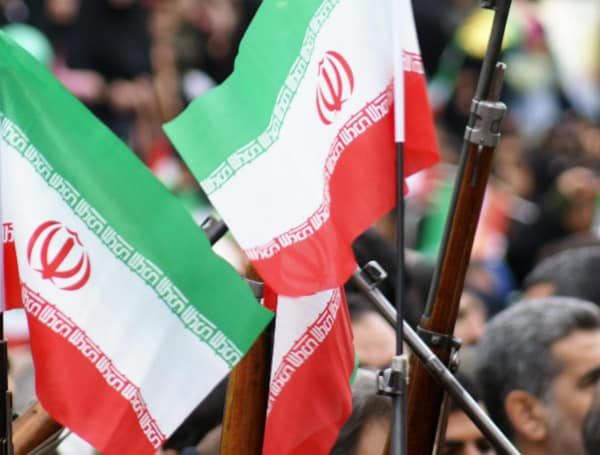
Iran is considering potentially obstructing a vital commercial bottleneck referred to as the Strait of Hormuz. This action might lead to increased energy prices in the U.S. and worldwide, energy industry analysts informed the Daily Caller News Foundation.
Israel began to bombard Iran aims to disable the Islamic Republic’s capability to develop a nuclear weapon by June 13, and the U.S. conducted Operation Midnight Hammer on Saturday evening, attacked three of Iran’s nuclear facilities with bombings. While Iran’s parliament has apparently reported, voted to close the Strait of Hormuz retaliatory move To strangle the global oil supply as retaliation for American attacks, the U.S. is adequately prepared to address the expected surge in energy costs should Iran manage to succeed, according to industry specialists who spoke with the DCNF.
READ: Secretary of State Marco Rubio Responds to CBS Host Regarding Her Comments on Nuclear Program
The increasing tension between Iran and Israel is already causing oil and natural gas prices to rise, and this trend could worsen significantly should the Strait of Hormuz become obstructed," noted Trisha Curtis, an economist with the American Energy Institute, speaking to the DCNF. "Such disruptions would lead to increased global pricing and tighter supplies worldwide. Thankfully, the U.S. is prepared for such scenarios—our robust domestic output along with expanding export facilities positions American crude and natural gas as crucial assets in international market dynamics.
According to this, Iran doesn't possess the legitimate power to stop traffic through the strait. This means they would have to seize control either by using force or threatening it. legal scholars and multiple reports The Iranian legislature’s purported move to block The Strait will await final approval from Iran’s Supreme Council on Sunday, as reported by Iran. Press TV .
READ: Secretary of State Marco Rubio Responds to CBS Host After She Claims About Nuclear Program
The strait spans between 35 to 60 miles. wide And links the Persian Gulf with the Indian Ocean, passing near Iran, the United Arab Emirates, and Oman. This waterway is crucial for international commerce; approximately one-fifth of the globe's oil supply was transported via the Strait of Hormuz during 2024 up until the first quarter of 2025, reports indicate. data as per data from the U.S. Energy Information Administration.
Curtis mentioned that approximately 20 million barrels of oil transit through the Strait of Hormuz each day. She added that closing this strait would also obstruct some liquefied natural gas (LNG) shipments.
Iran has reportedly been warning that it might shut down the Strait for several weeks, as stated by an Iranian legislator and a member of the parliament’s National Security Committee presidium. quoted as suggesting that Iran might retaliate against hostile actions by disrupting the Western world’s oil supplies through maritime channels. Coastal authorities and the U.K. Navy have advised vessels have been steering clear of the Strait over the past few weeks due to the possible danger.
Other energy specialists highlighted how the conflict between Russia and Ukraine contributed to this situation. worldwide spike in energy costs.
READ: Kentucky Representative Massie Stated That House Speaker Misunderstood Trump's Authority ToBomb Iran
"Energy markets aren't fond of conflict—especially conflicts occurring in the Middle East," remarked Marc Morano, an author and director at Climate Depot, during his interview with the DCNF. Although he pointed out that current hostilities haven’t yet caused immediate hikes in energy expenses both within the US and internationally, he warned that future intensification might lead to such increases—particularly if Iran decides to obstruct the Strait. "The mere speculation about a potential obstruction can create panic among energy traders leading to higher fuel prices," explained Morano.
Even though the Strait of Hormuz faces potential threats to shipping, the U.S. still has a buffer due to certain reserves. net exporter Regarding oil and gas, as stated by industry specialists in the energy sector.
President Donald Trump has advocated for pro-energy-growth schedule that sets the stage for local issues oil and gas Expansion allows the U.S. to manage severe escalation of conflicts or even potential closures of the Strait, according to statements made to the DCNF by energy sector experts.
This obstruction would elevate the significance of U.S. oil and gas exports. This highlights the urgency of President Trump’s strategy — which includes opening up Alaska and other regions for energy extraction, expediting infrastructure approvals, and boosting shipments to allied nations," said Diana Furchtgott-Roth, who directs the Heritage Foundation’s Center for Energy, Climate, and Environment, to theDCNF.
Though the U.S. still imports oil From certain countries in the Middle East, which utilize the Strait of Hormuz, the U.S. could potentially emerge as the leading oil producer, according to insights from energy sector specialists shared with the DCNF.
READ: President Trump’s Reinstatement of the MFN Rule Falls Short—PBM Reform Is the True Solution for Expensive Medications
If Iran were to block the Strait, it would be akin to "economic suicide" since their economy heavily depends on Hormuz; this was stated by the Vice President. JD Vance and Secretary of State Marco Rubio stated during interviews on Sunday.
James Taylor, who serves as the president of the Heartland Institute, informed the DCNF that disruptions in the oil market will inevitably cause prices to rise, underscoring the necessity for supportive energy policies within the country itself.
It is crucial for U.S. policymakers to facilitate instead of obstruct domestic oil production since being a leading energy producer makes America relatively resilient against geopolitical upheavals," Taylor stated. "Moreover, should the U.S. emerge as a major oil producer and Iran attempts to disrupt global oil markets, this strategy could turn into an advantage for America, causing Iran’s harmful intentions to fail.
The Iranian Ministry of Foreign Affairs did not reply to the DCNF’s request for commentary.
Please make a small contribution to the Tampa Free Press to support independent journalism Your support allows us to keep providing top-notch local and national news coverage.
Connect with us: Follow the Tampa Free Press on social media. Facebook and Twitter for the latest news and developments.
Sign up: Subscribe to our free newsletter For a handpicked collection of the finest headlines sent directly to your mailbox.

First published by the Daily Caller News Foundation .