Mark Zuckerberg, CEO of Meta, has hired three researchers from OpenAI to bolster his company’s work on artificial intelligence. This strategic move aims to guide Meta Platforms through its current AI challenges. The social-media corporation brought aboard Lucas Beyer, Alexander Kolesnikov, and Xiaohua Zhai, all of whom previously held positions at OpenAI’s branch in Zurich, as per sources privy to this information. These individuals established OpenAI’s location in Zurich towards the end of last year. Prior to their time at OpenAI, they collaborated closely within Google DeepMind, which is the organization’s artificial intelligence division. A representative from OpenAI verified that the three scientists have departed from the organization. Zuckerberg has been on an intense recruiting drive To correct the company’s AI initiatives following the underwhelming reception of its most recent model, he has sometimes proposed giving researchers up to $100 million to become part o...
An assault by the US on Iranian nuclear facilities might cause oil prices to soar further and prompt an impulsive flight to safety among investors, who were evaluating how the newest surge in tensions would impact the worldwide economy.
The reactions from Middle Eastern stock markets, open for trading on Sundays, indicated that investors anticipated a favorable result. This was despite increased missile strikes launched by Iran against Israel following the abrupt but significant intervention of the U.S. in the conflict.
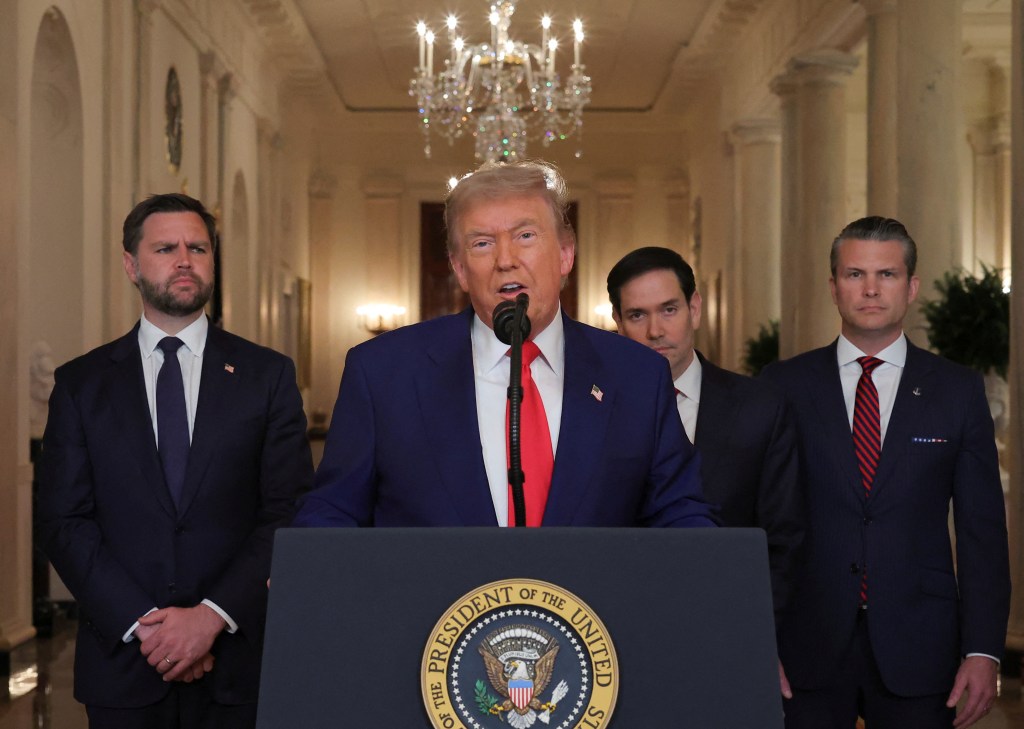
President Trump described the assault as "an impressive military achievement" during his nationally broadcast address and stated that Iran's critical nuclear refinement installations had been entirely destroyed. He added that if Iran does not consent to peace, the U.S. armed forces would consider targeting additional sites within their territory.
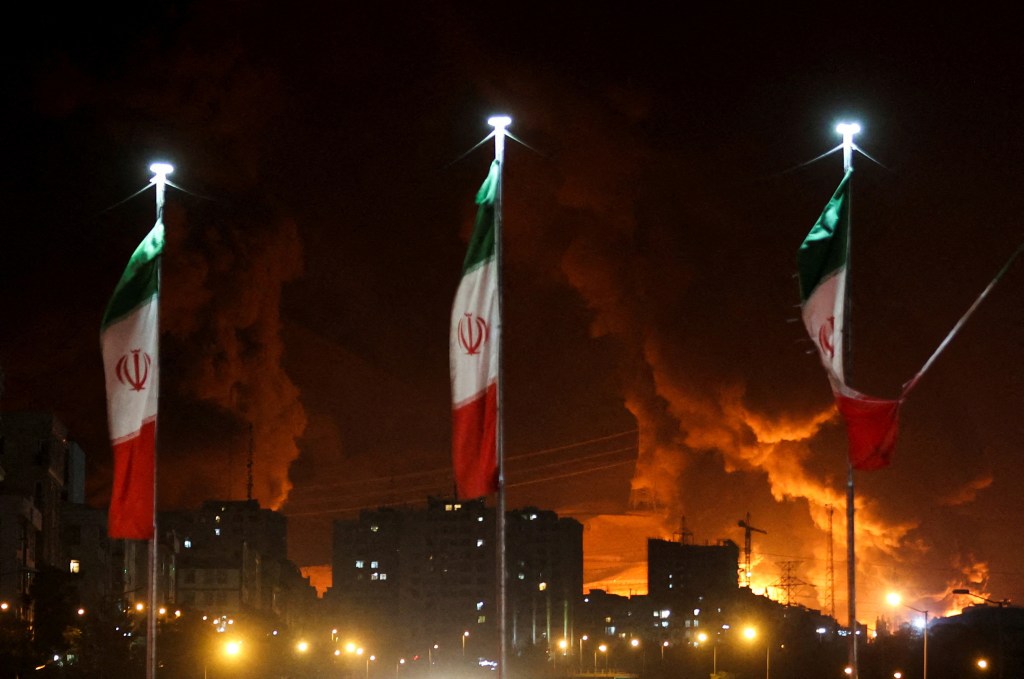
Iran stated that it retains all possible courses of action to protect itself and cautioned about "eternal repercussions." During his address in Istanbul, Iranian Foreign Minister Abbas Araqchi mentioned that Tehran is evaluating potential countermeasures and will explore diplomatic avenues solely following their reaction.
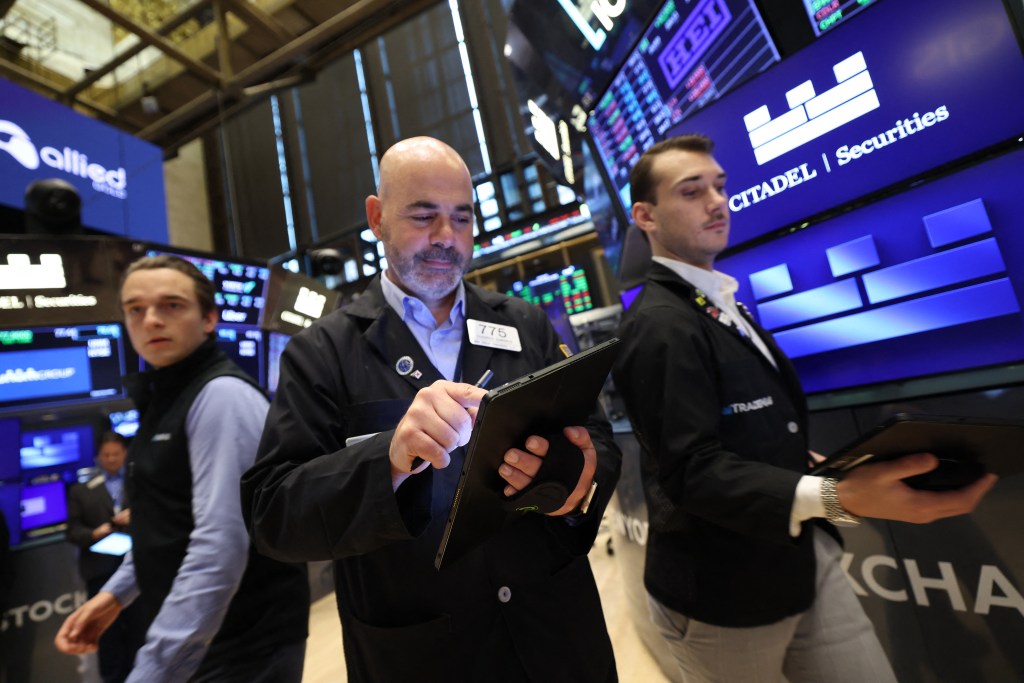
Investors anticipated that U.S. participation might trigger a sell-off in the stock market along with potential bids for the dollar and other safe-haven assets upon reopening of key financial markets; however, they also noted significant uncertainties still lingered.
"I believe the markets will start off being quite concerned, and I expect oil prices to rise when they first reopen," stated Mark Spindel, who leads investments at Potomac River Capital.
STAY INFORMED ABOUT RECENT DEVELOPMENTS BY JOINING THE MORNING REPORT NEWSLETTER.
"I believe the uncertainty will overshadow the markets, as Americans across the country will now face exposure. This will increase doubt and instability, especially in the oil sector," he noted.
A sign of how markets might respond over the next seven days could be seen through the pricing of ether, which ranks as the second-biggest cryptocurrency and serves as an indicator of individual investors' attitudes.
"We haven't conducted any damage assessment yet, which will require some time. Despite ( Trump ) characterizing this as 'completed,' we're still actively involved," Spindel stated.
Ethereum dropped 8.5% on Sunday, bringing the total decline since the initial Israeli attacks on Iran began on June 13 up to 13%.
Many of the Gulf stock markets appeared unfazed by the predawn assaults, as the primary indices in Qatar, Saudi Arabia, and Kuwait showed slight gains or remained steady. Israel’s Tel Aviv main index was reaching an unprecedented peak.
The primary worry for financial markets revolves around how events in the Middle East might affect oil prices and consequently influence inflation levels. If inflation increases, it could weaken consumer confidence and reduce the likelihood of imminent reductions in interest rates.
Saul Kavonic, an experienced energy analyst working for MST Marquee’s equity research division in Sydney, suggested that Iran might retaliate against American interests across the Middle East. This could involve attacking oil facilities within regions like Iraq or disrupting maritime traffic via the Strait of Hormuz.
The Strait of Hormuz lies between Oman and Iran and is the primary export route for oil producers such as Saudi Arabia, the United Arab Emirates, Iraq and Kuwait.
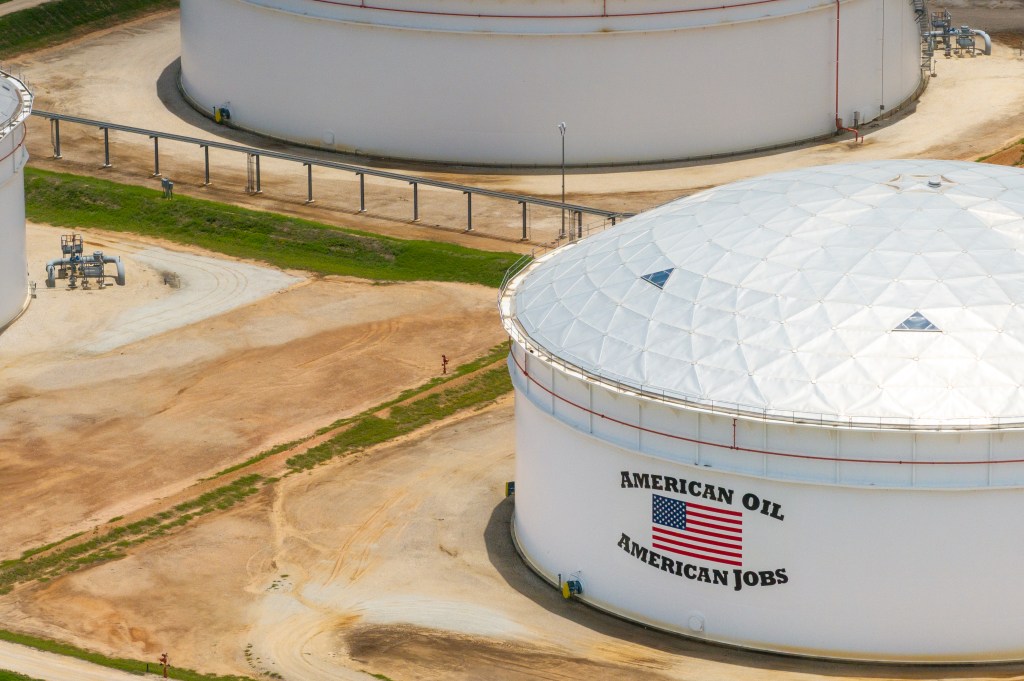
"Much hinges on Iran’s response over the next few hours and days, but this situation has the potential to put us on a trajectory toward $100 oil if Iran acts as it has previously threatened," Kavonic stated.
Even though global benchmark Brent crude futures have surged up to 18% from June 10, reaching almost a five-month peak at $79.04 this past Thursday, the S&P 500 index hasn’t shown much change; it initially dipped following Israel’s strikes against Iran on June 13.
Jamie Cox, the managing partner of Harris Financial Group, stated that oil prices would probably surge before stabilizing within a few days due to these attacks potentially prompting Iran to pursue a peace agreement with Israel and the U.S.
"With this display of power and complete destruction of its nuclear capacity, they have forfeited all their bargaining chips and might likely push for an exit strategy into a peaceful agreement," Cox stated.
Experts caution that a significant increase in oil prices might further strain an already burdened global economy due to Trump’s tariffs.
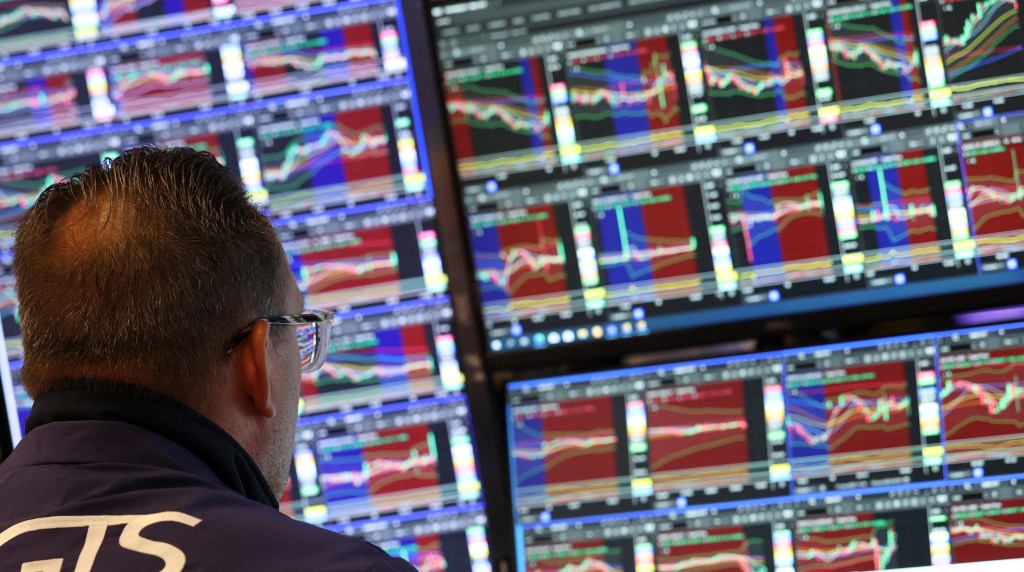
Nevertheless, history indicates that any retreat in equity markets could be short-lived. In previous instances of heightened Middle Eastern tensions, such as during the 2003 Iraq invasion and the 2019 assaults on Saudi oil facilities, stock prices initially declined but later rebounded and ended up trading even higher over subsequent months.
On average, the S&P 500 declined by 0.3% over the three weeks after a conflict began; however, it rose by an average of 2.3% two months later, as per data provided by Wedbush Securities and CapIQ Pro.
A further intensification of the conflict might bring about varied outcomes for the U.S. dollar, considering it has declined this year due to concerns regarding reduced U.S. exceptionalism.
If the U.S. directly enters the conflict between Iran and Israel, the dollar might initially see an increase due to safe-haven buying, according to analysts.
Do we witness a shift towards safer assets? This could indicate declining bond yields and a strengthening US dollar," stated Steve Sosnick, chief market strategist at IBKR based in Greenwich, Conn. "It's challenging to envision stock markets avoiding negative reactions; the real uncertainty lies in determining the extent of this impact.
Jack McIntyre, who manages global fixed income portfolios at Brandywine Global Investment Management in Philadelphia, stated that it remained unclear if U.S. Treasuries would see an upturn following the American assault, primarily because of the market's extreme sensitivity to inflation concerns.
"This might result in a regime shift, which could potentially exert an even greater influence on the worldwide economy if Iran moves toward adopting a more amiable and open economic policy," explained McIntyre.