Mark Zuckerberg, CEO of Meta, has hired three researchers from OpenAI to bolster his company’s work on artificial intelligence. This strategic move aims to guide Meta Platforms through its current AI challenges. The social-media corporation brought aboard Lucas Beyer, Alexander Kolesnikov, and Xiaohua Zhai, all of whom previously held positions at OpenAI’s branch in Zurich, as per sources privy to this information. These individuals established OpenAI’s location in Zurich towards the end of last year. Prior to their time at OpenAI, they collaborated closely within Google DeepMind, which is the organization’s artificial intelligence division. A representative from OpenAI verified that the three scientists have departed from the organization. Zuckerberg has been on an intense recruiting drive To correct the company’s AI initiatives following the underwhelming reception of its most recent model, he has sometimes proposed giving researchers up to $100 million to become part o...
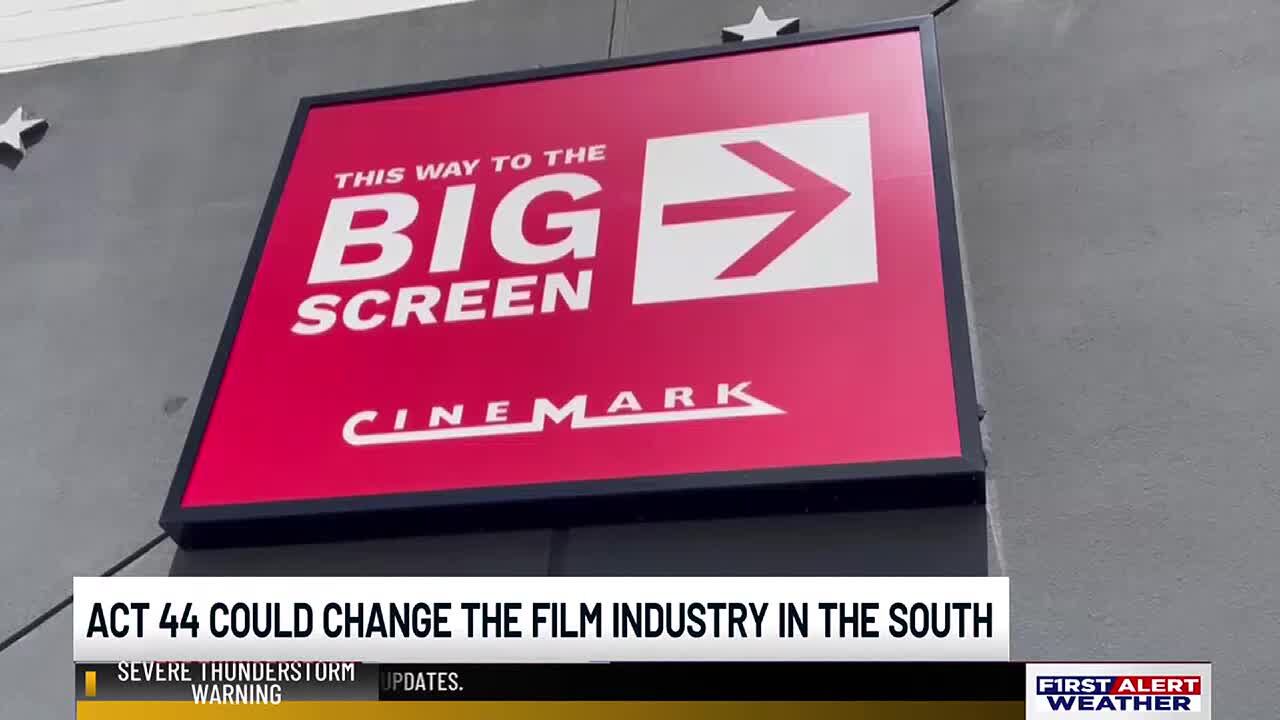
LAKE CHARLES, La. (KPLC) - The state of Louisiana might experience an increase in film industry productions thanks to Act 44. This legislation introduces updated guidelines for Louisiana’s tax credit program and was recently signed into law by Governor Jeff Landry.
Louisiana was formerly dubbed "Hollywood South." To rejuvenate the state’s filmmaking sector, legislators have implemented modifications allowing Louisiana Economic Development greater latitude in granting tax incentives.
The recently enacted legislation grants increased authority to the Louisiana Economic Development Board, enabling them to provide tax breaks to filmmakers and film production companies.
This might as well indicate tax reductions of up to 40% for accepted initiatives.
Local filmmakers think this is an essential move to showcase Louisiana's natural charm onscreen.
"They are increasing the tax credit rate from 30% to 40%, and additionally, we're removing project-specific and individual caps. This means bigger studios won't have to concern themselves with adhering to spending quotas for their crews and projects. As a result, they can easily access those tax credits, which will ultimately create numerous job opportunities for eager filmmakers locally," explained Kamerun Stanton, who leads filmmaking at Light Up Media.
The murky ambiance of Louisiana has featured prominently in various well-known movies like "65," which stars Adam Driver, "57 Seconds," featuring Morgan Freeman, and the classic film from 1951 titled "A Streetcar Named Desire."
"If you were filming in Louisiana with a budget of $120 million, your tax credit would apply only to $20 million of the project, causing us to lose significant business to states such as Georgia and New Mexico which had more generous policies without these limits. So if I invest $120 million, I expect to receive a tax break for the full amount," explained local filmmaker Michael McGowan.
Filming locally offers employment opportunities not just for directors and producers but also for makeup artists, up-and-coming actors, and visual effects experts.
The legislation will become active on July 1st.