Mark Zuckerberg, CEO of Meta, has hired three researchers from OpenAI to bolster his company’s work on artificial intelligence. This strategic move aims to guide Meta Platforms through its current AI challenges. The social-media corporation brought aboard Lucas Beyer, Alexander Kolesnikov, and Xiaohua Zhai, all of whom previously held positions at OpenAI’s branch in Zurich, as per sources privy to this information. These individuals established OpenAI’s location in Zurich towards the end of last year. Prior to their time at OpenAI, they collaborated closely within Google DeepMind, which is the organization’s artificial intelligence division. A representative from OpenAI verified that the three scientists have departed from the organization. Zuckerberg has been on an intense recruiting drive To correct the company’s AI initiatives following the underwhelming reception of its most recent model, he has sometimes proposed giving researchers up to $100 million to become part o...
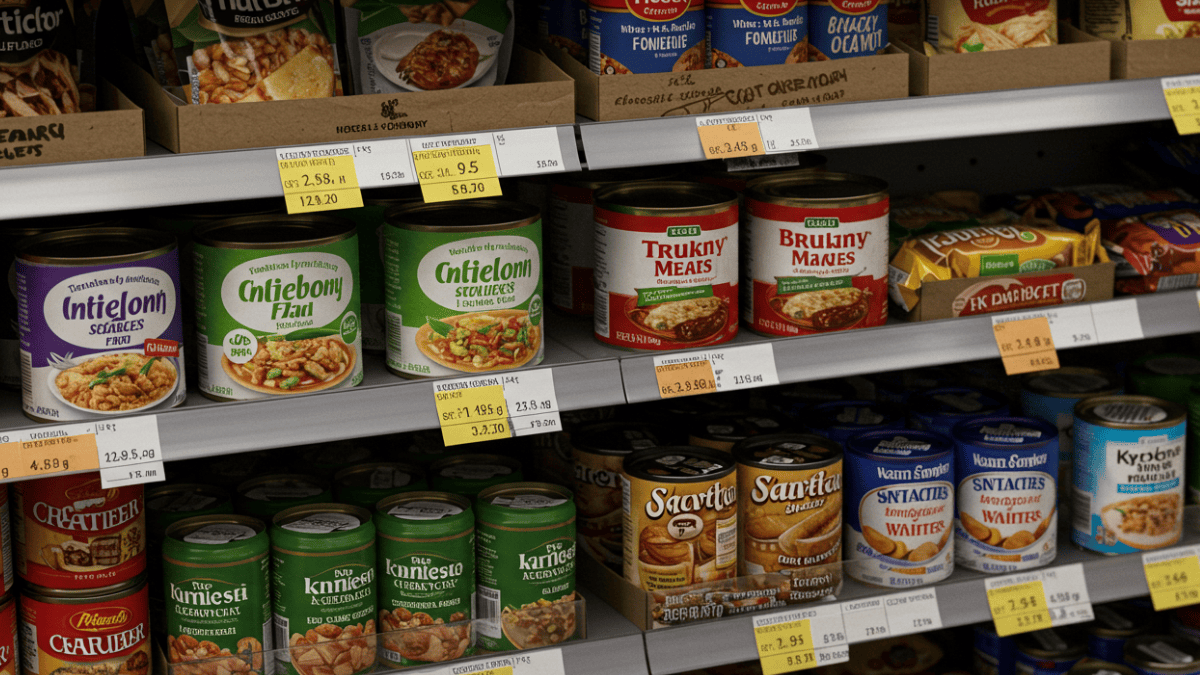
The Texas Label Law , known as Senate Bill 25 This legislation has sparked considerable discussion. It mandates that packaged foods with certain additives must display warning labels. Although these additives comply with U.S. federal guidelines, they are restricted in nations such as Australia and Canada. European Union, and the United Kingdom. The legislation aims at_overFilterWhere 40 additives, Including artificial colorants and partially hydrogenated oils, requiring conspicuous labeling on the relevant items. Should this legislation be passed, it would become effective starting January 1. anuary 1, 2027, affecting many well-known food products.
The food sector, as embodied by the Consumer Brands Association (CBA) along with prominent corporations such as Walmart and PepsiCo contend that the legislation’s labeling provisions are deceptive. These entities assert that the required wording might lead to potential lawsuits, bewilder shoppers, and escalate expenses. The sector underscores that American food additives are secure, having been subjected to thorough scientific scrutiny. Additionally, they voice apprehensions regarding an inconsistent framework that puts businesses at a disadvantage. Companies based in Texas face difficulties when reformulating their products to bypass warning labels.
A broad range of popular items would be impacted, including g Nacho Cheese Doritos, Mountain Dew, M&M's, Cheetos, the majority of candies, mass-produced pastries including Pop-Tarts and Toaster Strudel, prepackaged breads, ready-to-eat cereal products, processed meat items, cheese spreads, along with various drinks such as Red Bull and Gatorade Basically, the majority of prepackaged foods not sold fresh in Texas would have to comply with the new labeling requirement.
Confronted with impending regulations, the food sector is considering vital choices. A potential strategy could be altering ingredient compositions to bypass warning labels entirely—an approach many businesses might favor. No business desires to bear a cautionary tag." Experts suggest. Another approach is to embrace the necessary labeling language. An even more severe step might involve removing specific items from the Texas marketplace altogether. Leaders within the industry contend that adhering to this legislation could disrupt regional economies and limit food availability during periods of financial instability.
John Hewitt, who serves as the senior vice president for state affairs at the The Consumer Brands Association (CBA) indicated that producers are not prepared to generate labels that vary from one state to another. And they might decide to cease carrying certain items in Texas entirely, which could result in well-liked products vanishing from store shelves.
Reforming it could be complicated because of the significant complexity involved. quantity of impacted components and items Nevertheless, the consequences might reach well beyond the borders of Texas. Considering its large scale, should Texas implement this regulation, it could establish a fresh nationwide benchmark for food labeling. Typically, producers tend to follow consistent national guidelines to sidestep the complexity of varying state rules.
Previous instances back up this pattern. California's legislation enacted in 2023 prohibiting Red Dye No. 3 and West Virginia's prohibition of seven food colorings in school activities These developments have already prompted nationwide alterations. Leading corporations such as Kraft Heinz and Tyson Foods have subsequently committed to eliminating synthetic colorings from their items.
Critics of SB 25, including a coalition of companies such as Walmart, PepsiCo, Mondelez, and Coca-Cola, In addition to the CBA, they contend that the specified substances are safe and have undergone thorough scientific and risk-based assessments. These parties assert that the required warning labels are deceptive and pose legal risks, might bewilder customers, lead to higher expenses, and result in an inconsistent regulatory environment.
Politically, the bill corresponds to the " Make America Healthy Again" The movement led by Robert F. Kennedy Jr., which advocates for tackling chronic and childhood illnesses, views Texas as a frontrunner in this effort. Even though Texas is a strongly conservative state and often aligns with the interests of the food sector, Senate Bill 25 has garnered backing from both parties.
This law encompasses several comprehensive public health initiatives as well: it creates a state nutrition advisory panel, requires at least half an hour of daily exercise in schools for grade levels under sixth, and directs Texas educational institutions to implement updated nutritional teaching programs.