Mark Zuckerberg, CEO of Meta, has hired three researchers from OpenAI to bolster his company’s work on artificial intelligence. This strategic move aims to guide Meta Platforms through its current AI challenges. The social-media corporation brought aboard Lucas Beyer, Alexander Kolesnikov, and Xiaohua Zhai, all of whom previously held positions at OpenAI’s branch in Zurich, as per sources privy to this information. These individuals established OpenAI’s location in Zurich towards the end of last year. Prior to their time at OpenAI, they collaborated closely within Google DeepMind, which is the organization’s artificial intelligence division. A representative from OpenAI verified that the three scientists have departed from the organization. Zuckerberg has been on an intense recruiting drive To correct the company’s AI initiatives following the underwhelming reception of its most recent model, he has sometimes proposed giving researchers up to $100 million to become part o...
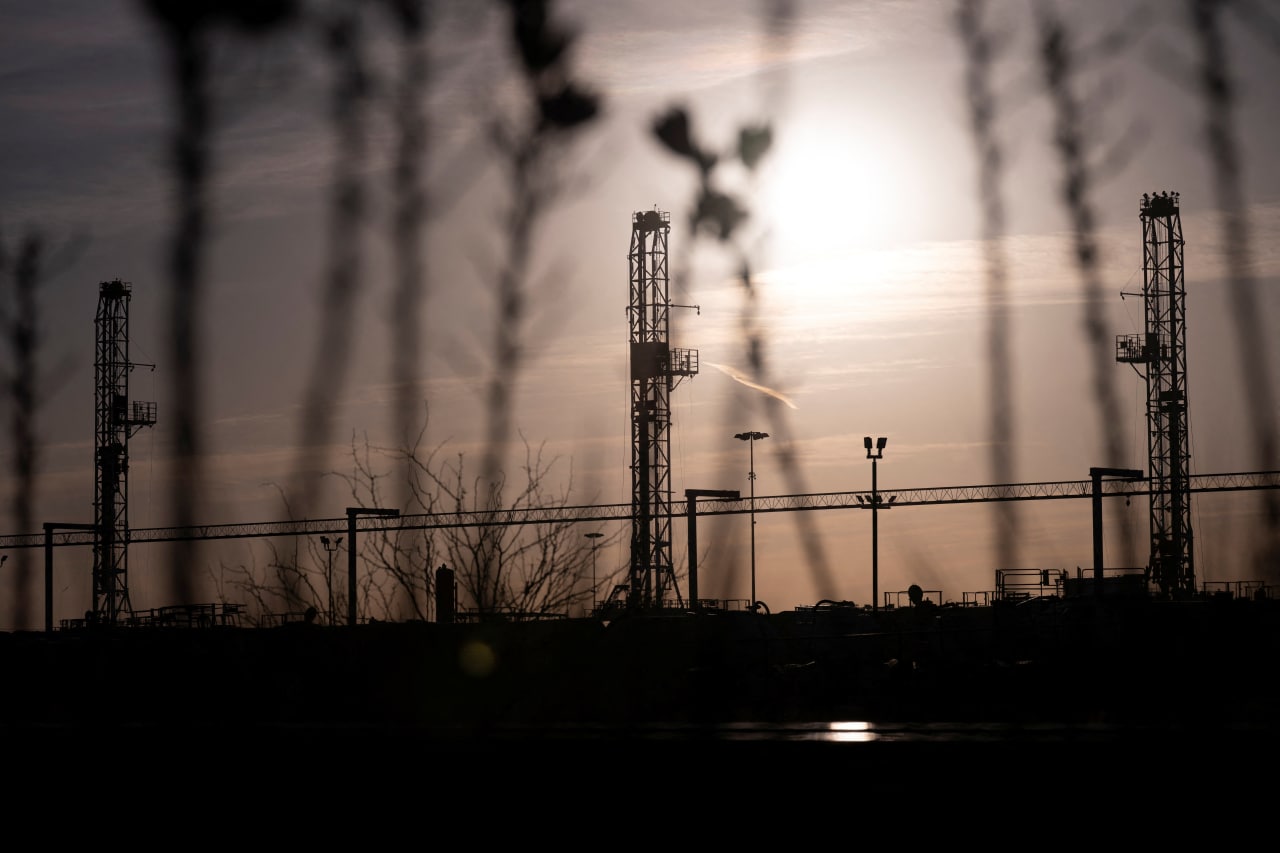
Crude oil prices fell while equity values rose across Asia following President Trump’s statement that Israel and Iran had consented to a truce which might result in ending the conflict. However, lingering doubt about the stability of this arrangement continues to keep financial markets tense.
Oil dropped more than 3% at the start of Tuesday following President Trump’s statement on Truth Social indicating that a "complete and total" cease-fire would commence gradually.
Initially crude prices fell before recovering their losses following remarks from Iran’s Foreign Minister Abbas Araghchi, who stated in an X post that "there is currently NO 'accord' regarding any truce." However, he added that Iran would cease its assaults provided that Israel also halted its operations.
The most recent data shows that front-month WTI crude oil futures decreased by 2.6%, trading at $66.75 per barrel, while front-month Brent crude oil futures fell by 2.45% to stand at $69.73 a barrel.
Continued reports of combat kept coming in, as Iranian government outlets detailed Israeli strikes on Tehran, while Israel's armed forces claimed they had thwarted drones dispatched by Iran.
The adherence of Israel and Iran to a possible truce will influence oil prices, according to an analysis by Phillip Nova's Priyanka Sachdeva noted in a statement. She pointed out that crude prices reverted to the levels observed shortly prior to the first Israeli assaults on Iran within mere hours after Trump announced the ceasefire.
"Markets are feeling relieved as they have dodged further escalation," stated Katrina Ell from Moody’s Analytics.
Although there's no assurance that any deal will endure, and with uncertainty about the specifics of each party's commitments, the economist noted that the immediate threats appear to have diminished.
Asian equity markets started the day on a positive note, and had extended gains by midday.
The Kospi index in South Korea surged by 2.75%, spearheading the upward trend across the area with its year-to-date growth climbing to almost 30%. Investors chose to focus on favorable domestic political progress rather than the instability in the Middle East.
The Nikkei Stock Average in Japan showed an increase of 1.05%, the Hang Seng Index in Hong Kong rose by 2.0%, and the Shanghai Composite Index in China gained 1.0%.
U.S. stock-index futures showed gains as well, with the eMini Nasdaq 100 climbing 0.8%, the eMini S&P 500 increasing by 0.6%, and the eMini Dow adding 0.5%.
The US dollar generally declined against both G-10 and Asian currencies, possibly indicating capital movements towards safer assets. It depreciated by about 0.5% to trade at 145.47 Japanese yen and 1,364.93 South Korean won. Meanwhile, the Australian dollar gained 0.45%, trading at 0.65 per unit, and the euro increased by 0.2% to stand at 1.16 relative to the USD.
The price of spot gold decreased by 0.5% to reach $3,350.30 per troy ounce.
At present, market players seem to be placing their bets on a potential easing of tensions.
However, if this does not seem believable, financial markets will likely revert to losses, and energy costs will rise once more, according to Ell from Moody’s Analytics.
Send your message to Sherry Qin sherry.qin@wsj.com and Ronnie Harui at ronnie.harui@wsj.com