Mark Zuckerberg, CEO of Meta, has hired three researchers from OpenAI to bolster his company’s work on artificial intelligence. This strategic move aims to guide Meta Platforms through its current AI challenges. The social-media corporation brought aboard Lucas Beyer, Alexander Kolesnikov, and Xiaohua Zhai, all of whom previously held positions at OpenAI’s branch in Zurich, as per sources privy to this information. These individuals established OpenAI’s location in Zurich towards the end of last year. Prior to their time at OpenAI, they collaborated closely within Google DeepMind, which is the organization’s artificial intelligence division. A representative from OpenAI verified that the three scientists have departed from the organization. Zuckerberg has been on an intense recruiting drive To correct the company’s AI initiatives following the underwhelming reception of its most recent model, he has sometimes proposed giving researchers up to $100 million to become part o...
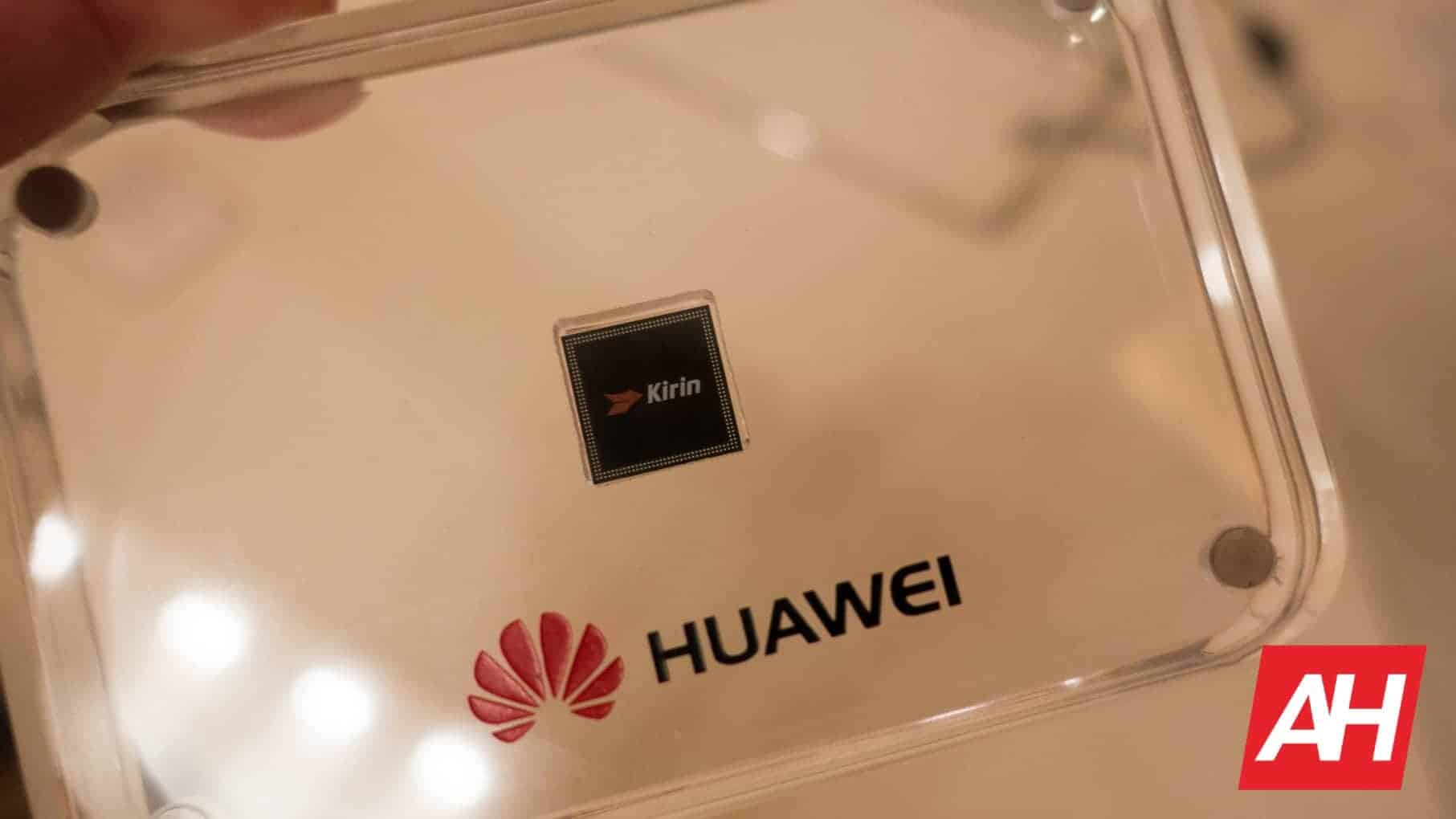
There has been considerable discussion lately regarding Huawei's advancements in developing and producing high-end semiconductor chips. Some claims suggested that they were nearing the level of premier international designers and producers, particularly those from the U.S. Nonetheless, recent reports imply that the situation may not be so straightforward, indicating that Huawei hasn't reached the point where it can seriously challenge the foremost players in the chip industry as many had thought.
Huawei appears to be even more distant from US and international semiconductor firms than anticipated.
The focus of this discussion often turns to manufacturing process nodes. This essentially refers to how small and efficient the transistors on a chip are. Smaller numbers, like 5nm (nanometer) or even 2nm, represent more advanced technology. A higher density of transistors generally leads to better performance and power efficiency—if well done. According to previous reports, Huawei’s Kirin X90 processor, present in devices like their foldable MateBook, used a 5nm process.
However, the new information reveals a different picture. The most recent report suggests that the Kirin X90 actually relies on SMIC’s 7nm process node (specifically, the N+2 variant). For context, this is the same chip technology from last year’s Mate 70 series smartphones. This detail is significant because it implies that Huawei and SMIC are currently two generations behind the leading edge of chip technology. So, they are fairly far from the “one generation gap” that had been optimistically suggested by some.
Sanctions pose a difficult obstacle to surmount.
The primary obstacle continues to be stringent sanctions that block both Huawei and SMIC from obtaining Extreme Ultraviolet (EUV) lithography equipment. These advanced tools are crucial for manufacturing semiconductors with a 5-nanometer process technology and finer nodes. Some speculated about potentially reaching the 5nm level using older Deep Ultraviolet (DUV) machinery via intricate multiple-patterning processes. However, these approaches are extremely complicated and often lead to reduced output efficiency, complicating large-scale production efforts.
In the future, this disparity is expected to grow larger. Experts predict that next year’s premium models, such as Apple’s forthcoming iPhone 18 series, will feature even more sophisticated 2-nanometer process chips. The continuous advancement in chip technology beyond Huawei’s grasp underscores the persistent hurdles they encounter when trying to close the gap with industry frontrunners in semiconductor development and fabrication.
The post Huawei's Gap with US Chip Firms Is Wider Than Expected, Report Says appeared first on Android Headlines .