Mark Zuckerberg, CEO of Meta, has hired three researchers from OpenAI to bolster his company’s work on artificial intelligence. This strategic move aims to guide Meta Platforms through its current AI challenges. The social-media corporation brought aboard Lucas Beyer, Alexander Kolesnikov, and Xiaohua Zhai, all of whom previously held positions at OpenAI’s branch in Zurich, as per sources privy to this information. These individuals established OpenAI’s location in Zurich towards the end of last year. Prior to their time at OpenAI, they collaborated closely within Google DeepMind, which is the organization’s artificial intelligence division. A representative from OpenAI verified that the three scientists have departed from the organization. Zuckerberg has been on an intense recruiting drive To correct the company’s AI initiatives following the underwhelming reception of its most recent model, he has sometimes proposed giving researchers up to $100 million to become part o...
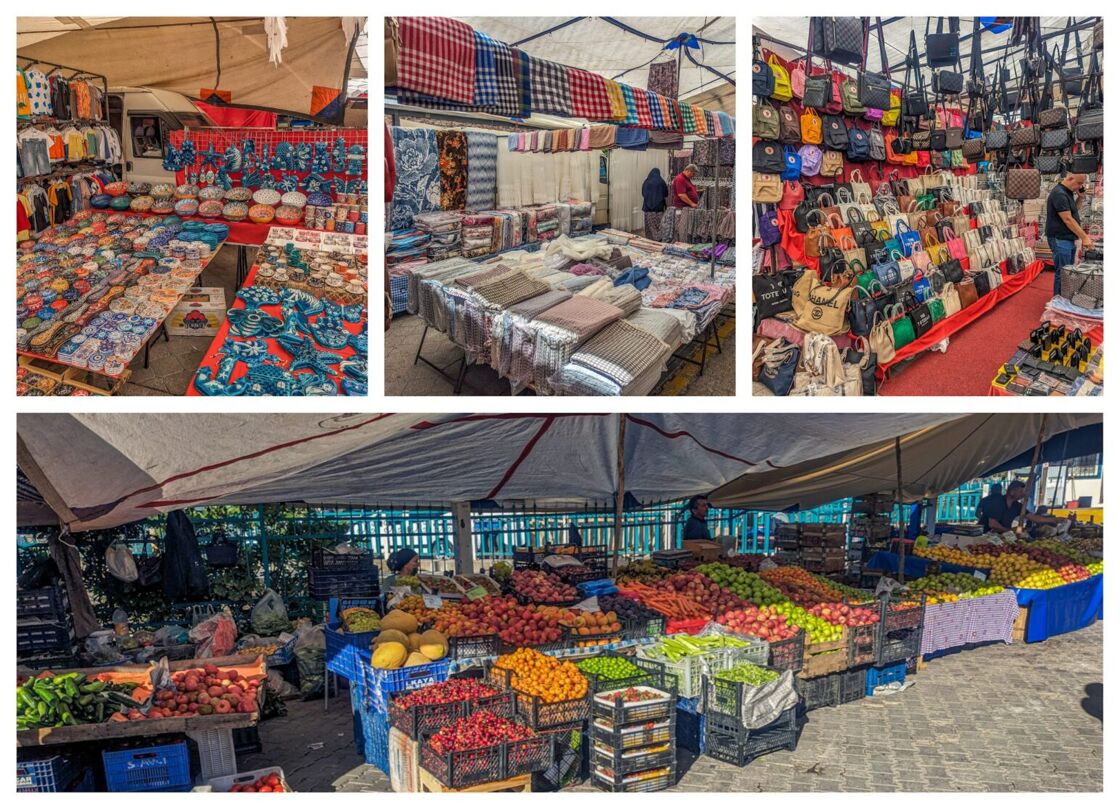
The previous year, Brent and I resided in Fethiye, Turkey, merely a few streets away from a weekly farmers' market.
At the "Tuesday Market," you could discover nearly everything: freshly harvested fruits and vegetables, meats, cheeses, savory street foods, as well as an array of clothing like hats, dresses, trousers, shirts, footwear, handbags, and various home goods.
Anything you could take away from there was likely up for grabs at one of the stalls in the marketplace.
Luggage up, we're setting off on an expedition!
Sign up for our weekly newsletter to receive top-notch LGBTQ+ travel guides, stories, and additional content.
Sign up for our Newsletter right away.
This is a recurring segment focusing on our current global position: the journey that led us here, the price we pay for it, and precisely our opinions on the matter. Sign up for our complimentary travel newsletter below. .
One the one side, the traders approached their trade with great seriousness, ensuring they arrived promptly to arrange their goods and were highly responsive to customers.
On the contrary, the entire ambiance was quite relaxed. I believe it was minimally overseen by the authorities — perhaps lacking thorough checks on meat quality! — and nearly all exchanges were conducted using cash.
All the sellers were familiar with one another and offered assistance regularly. On one occasion, as I purchased a large watermelon from an elderly gentleman, a younger fellow from the adjacent stand came over to aid in slicing it.
The traders dealt with me honestly as well. Given that I don’t speak Turkish, it would’ve been quite simple for them to take advantage of me. However, multiple times, I started walking away from a booth when the vendor called me back to return my change.
Over our eight years of traveling around the globe, this kind of shopping encounter is quite usual for me, particularly when we're not in the U.S. or Western Europe. It inevitably leads me to recall my shopping habits from back when Brent and I were residing in America.
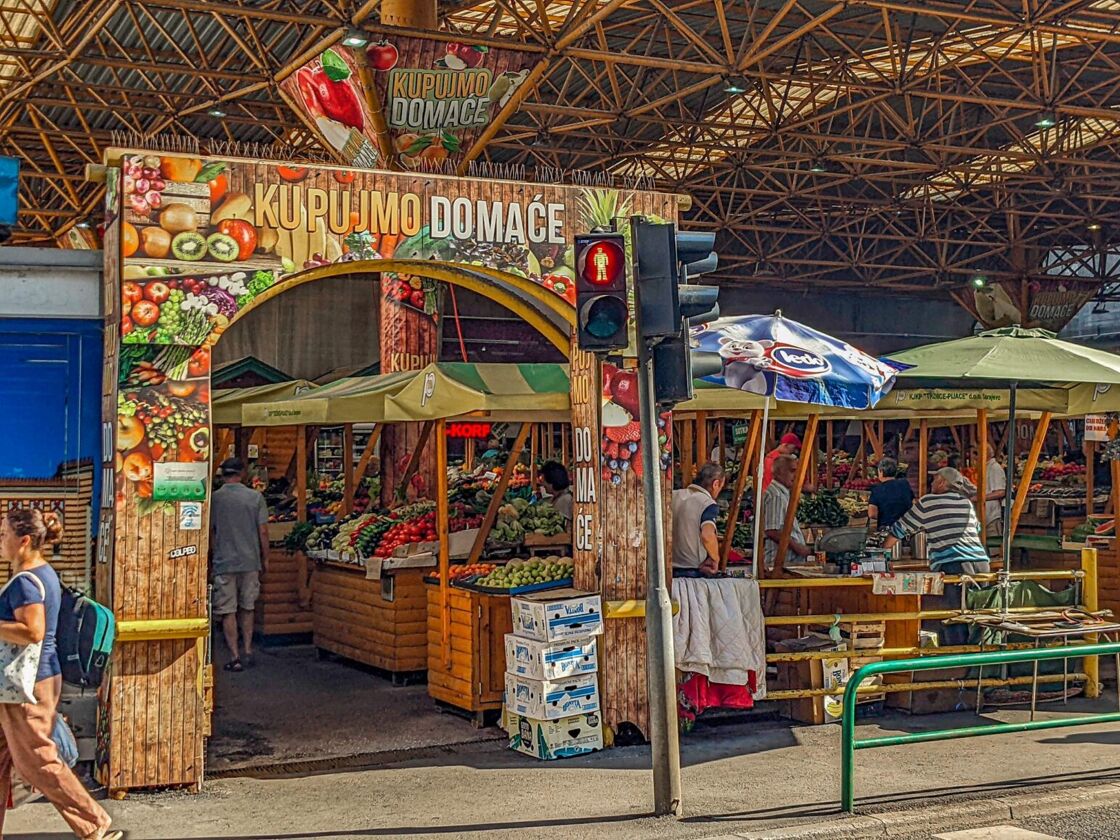
On one side, despite being the least wealthy, the countries we've visited still possess some stores like the ones we knew back home: supermarkets, department stores, chain stores, and also specialty shops. But these places are more likely to be patronized by the country’s elite.
Conversely, countries with lower economic status or those that adhere more closely to tradition tend to be home to public marketplaces such as Fethiye’s Tuesday Market.
Related
The insider's guide to drinking, lodging, shopping, and dining in Chicago
Discover the heart of Chicago's LGBTQ+ scene. Whether you're looking for advice on where to go out or seeking lesser-known spots, use this guide to navigate the city as a native would.
I've explored various marketplaces including souks, bazaars, tianguis, street markets, wet markets, and hawker centers. Additionally, I frequently witnessed items being sold through even less formal setups such as vendors operating out of makeshift stands, mobile carts, or simply laying their products on blankets laid across sidewalks.
That’s precisely the terminology used for these two types of retail: "informal" as opposed to "formal."
In general, formal retail establishments are subject to taxation and strict regulation; they must obtain licenses and undergo inspections to ensure compliance with governmental rules concerning safety standards, minimum wage requirements, and everything else.
As for regulation of informal Well, retail can vary quite significantly depending on different factors.
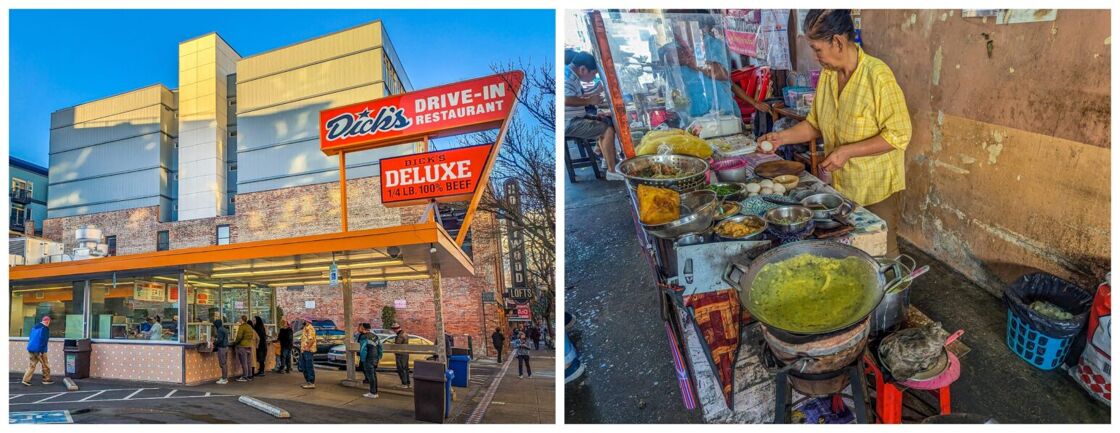
In the United States, flea markets, swap meets, and garage sales are commonplace. kind of informal retail. But those tend to involve used household items — they’re not places for daily shopping frequented by large swaths of the local population.
And America’s "farmers' markets" have an illusion Of course, informality comes into play, but let’s be honest. Given their premium products and sophisticated customer base, such settings aren’t comparable to what I have in mind.
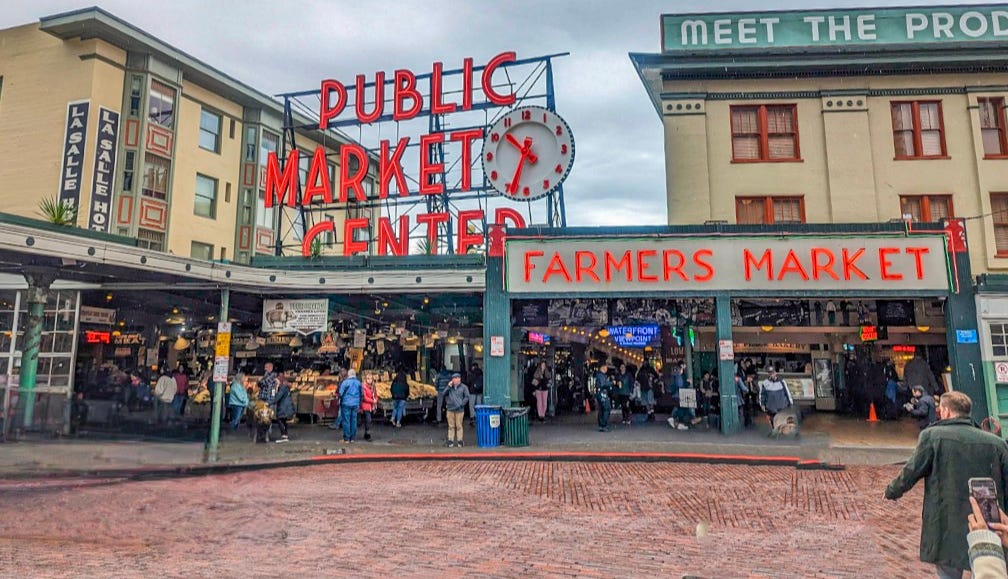
The same goes for obvious tourist spots such as Seattle’s Pike Place Market.
Common street vending can be quite intriguing for newcomers and might also feel somewhat overpowering.
During our second year of traveling, Brent and I resided in Hội An, Vietnam for several months, where we found the big open-air market close to our accommodation vibrant and bustling.
The seller who offered pork would showcase her goods by prominently placing a severed pig's head on her table. (One can only wonder if that particular item was also available for purchase.) Nearby, other merchants had tables filled with agitated geese in cages and buckets overflowing with flailing shrimp.
This was nothing like shopping at Safeway.
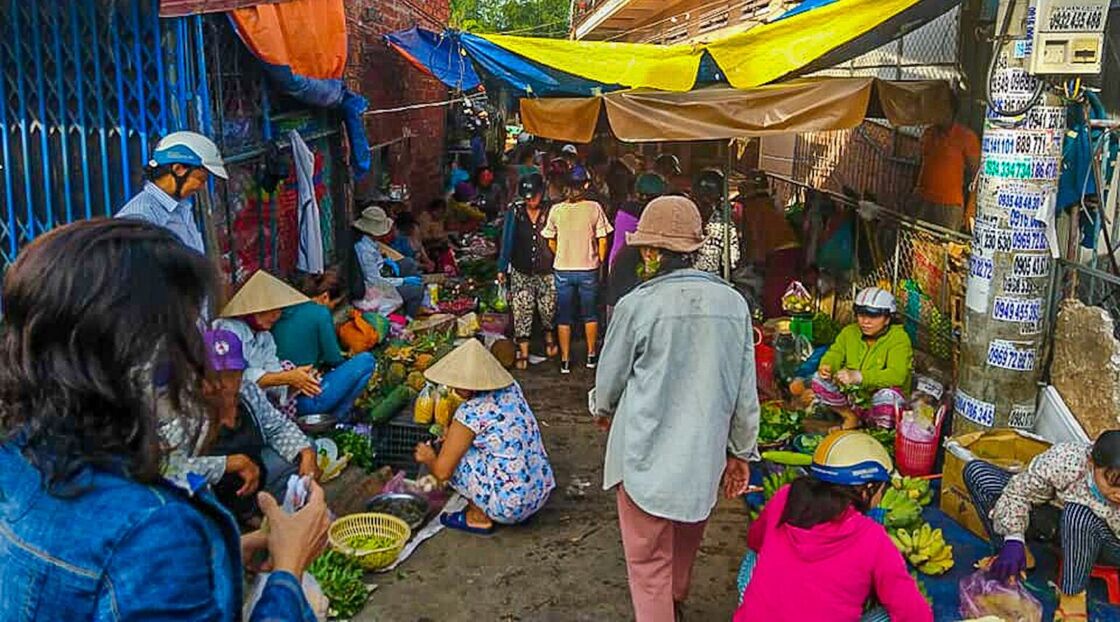
However, when we departed from Vietnam, the experience of shopping had become nearly as routine for me as it was back home. at Safeway. And let’s be real: you won’t find anything fresher or more locally sourced than this.
Brent and I are presently residing in San Miguel de Allende, Mexico, where I soon came across the city’s extensive Tuesday Tianguis, a weekly market that initially astonished me with its size as it sprawled across the entire area. massive reached the covered expanse—only to find out that the initial area was interconnected with two more Covered regions of similar size.
Strolling through that marketplace, I've observed cages packed with parakeets, ducks, pigeons, and rabbits; bins overflowing with dried peppers and sacks teeming with beans; simmering cauldrons of pork and skillets loaded with gorditas; heaps of roasted corn; along with rows of shoes, trousers, and tops.
No matter where I looked, I found indications that I was in Mexico .
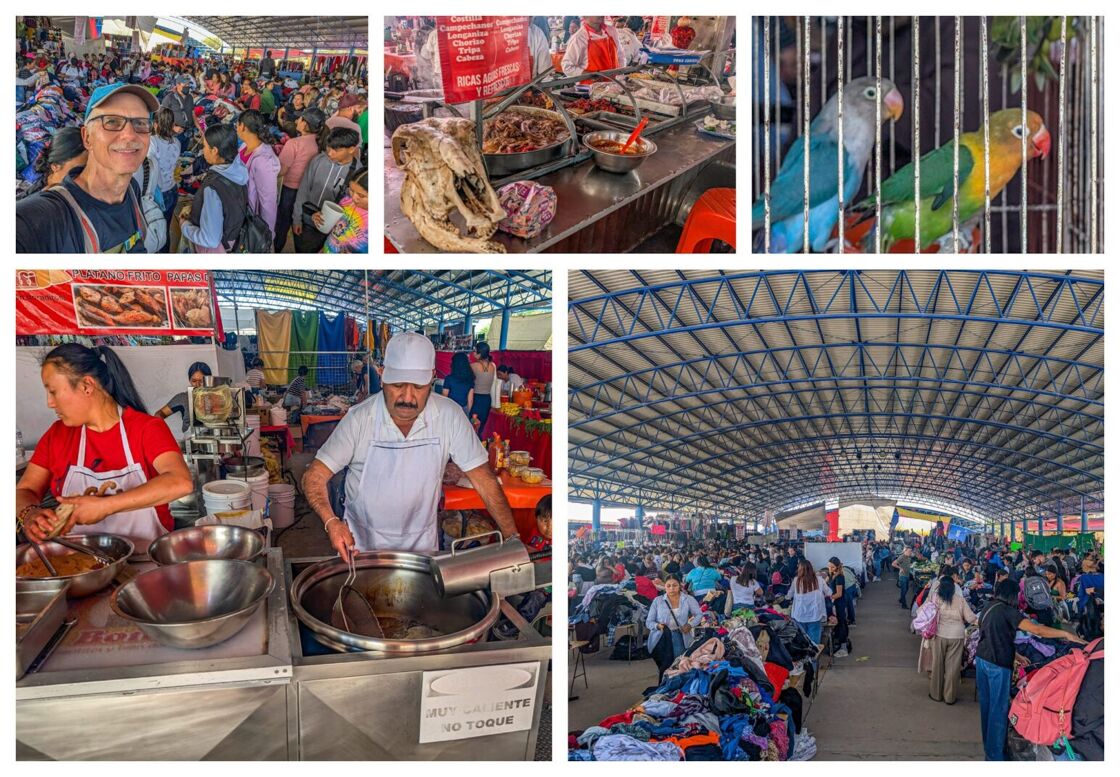
However, how can one be assured about their purchases when informal markets such as the Tuesday Tianguis in San Miguel de Allende operate with minimal regulation?
This likely occurs because vendors do not last long within their communities if they develop a reputation for deceiving customers or offering subpar goods.
Regarding the cost, it varies based on your willingness to pay, as despite occasional instances where informal markets might display prices, much of the negotiation remains flexible.
To put it differently, in a quite literal sense, these traders and their clients exert regulatory influence. themselves .
Perhaps that's why the lady who sells me fruits and vegetables at another market in San Miguel de Allende always adds an extra mango and avocado to my bag—it's simply smart business strategy.
Moreover, generally speaking, Mexicans are incredibly welcoming.
These marketplaces serve not only as centers for trade but equally as significant social gathering spots where people can connect with friends, interact with their neighbors, enjoy meals, and share rumors and discussions about local events. This fosters communal relationships and a robust feeling of mutual confidence.
It’s difficult not to draw parallels with America here. In theory, traditional retail could serve a similar function in society—as a means of strengthening social connections. Despite being quite different, even Americans find pleasure in visiting city centers, shopping malls, or supermarkets.
However, with platforms such as DoorDash and Amazon enabling U.S. consumers to purchase items online and receive them right at their doorstep, shopping experiences that are also Interactions with others are occurring more infrequently nowadays.
It was disheartening to return to America in March and observe the numerous security measures implemented across different shops: controlled access through gates, the removal of hand-held carts to prevent thefts, products locked away, and security personnel at exit points verifying purchase receipts.
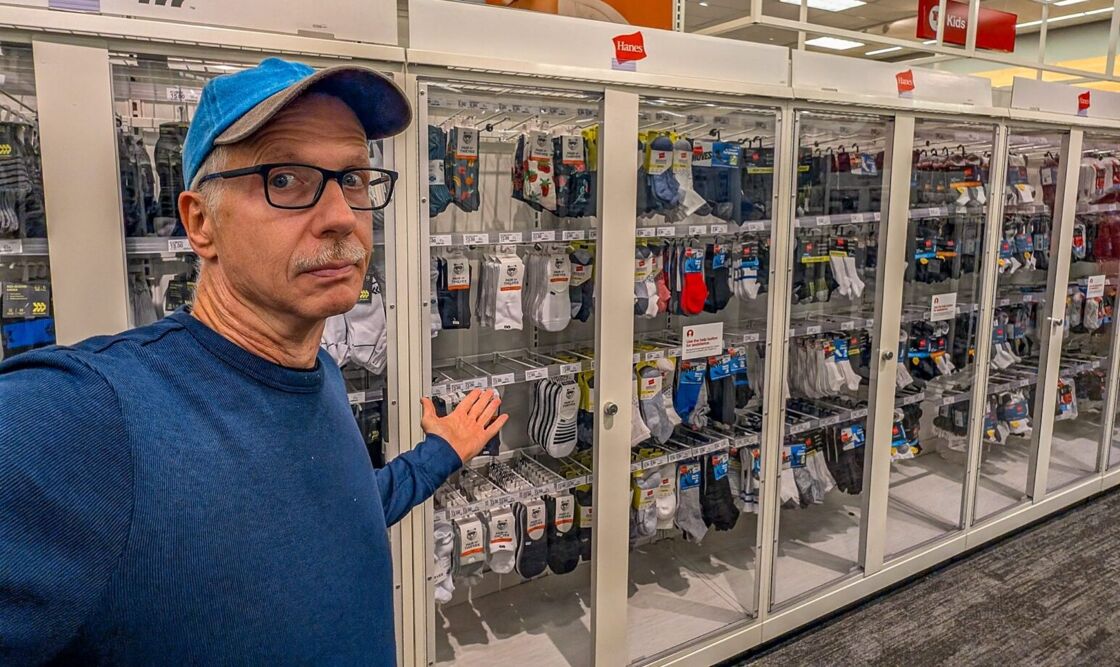
Frankly, this issue was much more distressing than that incident with the boar's head in Vietnam, as it appeared to signify a total absence of societal trust.
Perhaps these feelings of mistrust have emerged precisely because Americans initially grew so casual about community ties.
This does not mean that America’s official retail sector has stopped some benefits, at minimum for Brent and me.
Brent purchased an "extra-large" shirt from a marketplace in Thailand but found upon returning home that Thai men tend to be quite slender, making the shirt much too small for him; public markets seldom provide fitting areas.
I purchased a pair of shoes from a weekly market in Italy, but they fell apart after just two days during a trek through the Cinque Terre.
In informal retail, there is no “return policy” concept, at least for non-locals like us.
In recent times, Brent and I have been enjoying the advantages of both realms, successfully blending casual and traditional retail approaches.
For our groceries, presents for folks back home, and snacks from the streets, we love Shopping in the globe's souks, bazaars, tianguis, and indeed, the odd stall, cart, or blanket laid out directly on the pavement.
However, I admit that when it comes to toiletries and much of our clothing, — especially Our footwear—currently we focus on formal retail options. In the U.S., where we can obtain precisely the sizes we desire and trust in the available brands.
Simultaneously, we find ourselves disheartened by the proliferation of theft deterrents and security barriers, which constantly remind us of the diminished trust among Americans.
We must find a more effective approach.
Join the appstoreofficial.id newsletter For regular updates on top LGBTQ+ spots and happenings—both close to home and across the globe.