Mark Zuckerberg, CEO of Meta, has hired three researchers from OpenAI to bolster his company’s work on artificial intelligence. This strategic move aims to guide Meta Platforms through its current AI challenges. The social-media corporation brought aboard Lucas Beyer, Alexander Kolesnikov, and Xiaohua Zhai, all of whom previously held positions at OpenAI’s branch in Zurich, as per sources privy to this information. These individuals established OpenAI’s location in Zurich towards the end of last year. Prior to their time at OpenAI, they collaborated closely within Google DeepMind, which is the organization’s artificial intelligence division. A representative from OpenAI verified that the three scientists have departed from the organization. Zuckerberg has been on an intense recruiting drive To correct the company’s AI initiatives following the underwhelming reception of its most recent model, he has sometimes proposed giving researchers up to $100 million to become part o...
The court ruling from the house settlement brought Some clarification regarding NIL and revenue-sharing. , all while uncorking an entirely new set of issues that have resulted in multiple legal battles afterward. Nonetheless, it represents a constructive move towards creating a fairer landscape overall.
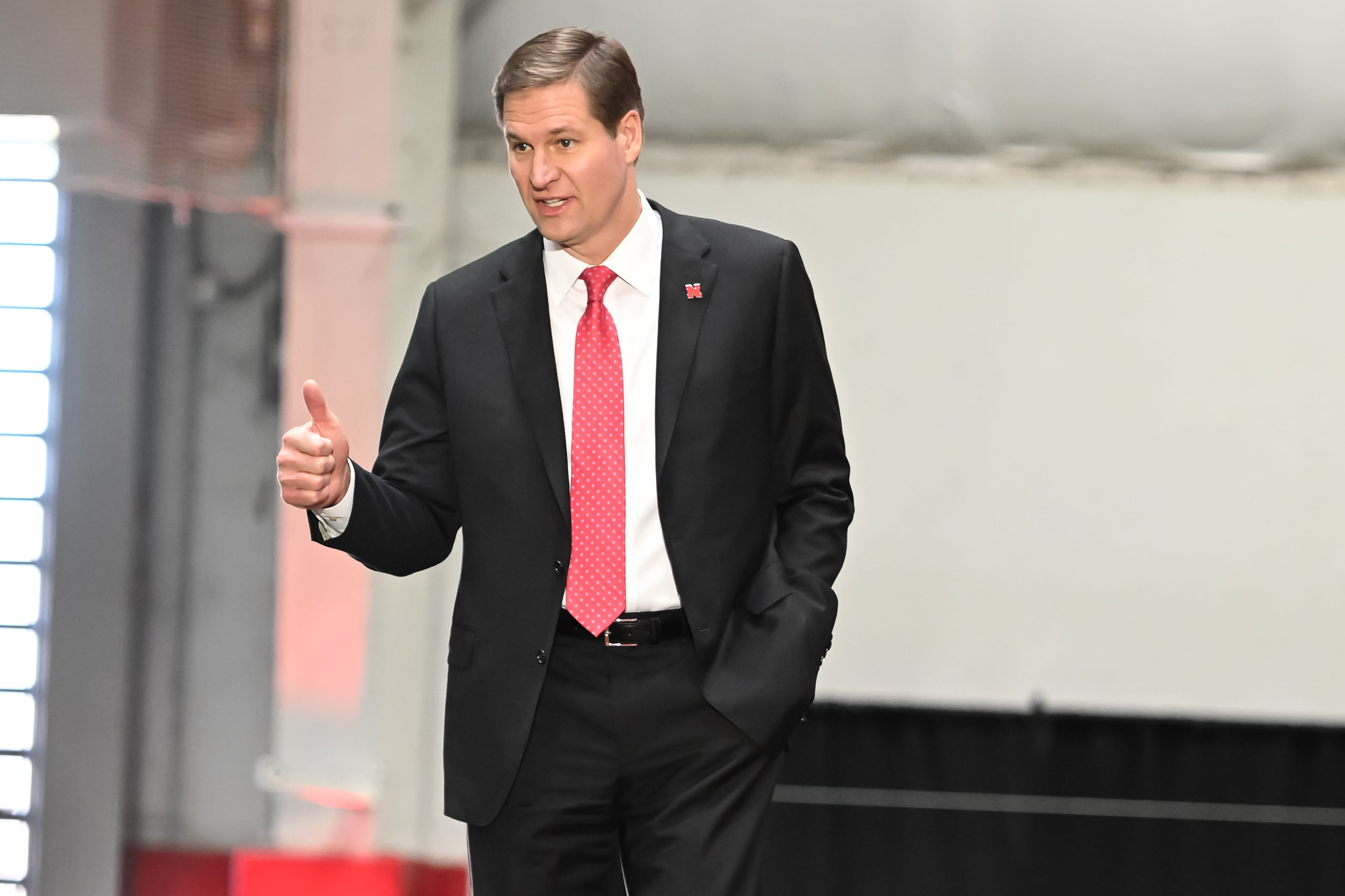
Texas A&M Athletic Director Trev Alberts spent some time discussing the university’s strategy for thriving in this new era of collegiate athletics. He believes there are chances to exploit financial opportunities to ensure continued success. Texas A&M Competitive inside the Power Five leagues.
A major question arises: How was the decision made regarding which sports would be part of the revenue-sharing agreement?
A portion of this decision-making process aligned with our increased scholarships, focusing solely on revenue sharing rather than direct investments in specific sports. However, some sports not receiving revenue shares are still experiencing significant boosts in their scholarship funding...
...we focus on identifying which sports are generating income for us. Our aim is to sustain this current level of revenue and find ways to increase it moving forward. This might involve making tough choices, adjustments that could change over time, yet this approach serves as our starting point.
Alberts also discussed the approach of updating the university’s infrastructure without abandoning the customs that render Texas A&M as one of the most distinctive programs in collegiate athletics.
I will strongly advocate for modernization and encourage innovative thinking, as I believe without these efforts, we may not achieve the business success required to adequately fund and support our initiatives needed for victory.
Even with the House settlement Setting some guidelines still leaves a considerable distance to cover. Alberts anticipates that federal legislators might intervene to establish precise, binding regulations for all to adhere to—allowing educational institutions to concentrate less on legal battles and more on aiding student-athletes.
"...we all got into this to help young people, and we've spent all of our time playing defense to lawsuits, and that needs to end. It's not in the best interest. College athletics is worth saving. It's really important to the fabric of America, we're better than this, and it's time for leaders to lead."
Collegiate sports are gradually moving out of the disarray caused by the Name, Image, and Likeness (NIL) era, showing initial indications of a more cohesive regulatory framework. However, the journey towards full stability remains extensive.
Contact/Follow us @AggiesWire on X (previously known as Twitter) and follow our page on Facebook To stay updated with continuous coverage of Texas A&M news, insights, and viewpoints, follow Jarrett Johnson on X:. @whosnextsports1 .
The article initially appeared on Aggies Wire: Texas A&M AD Trev Alberts analyzes NIL revenue sharing following House settlement