Mark Zuckerberg, CEO of Meta, has hired three researchers from OpenAI to bolster his company’s work on artificial intelligence. This strategic move aims to guide Meta Platforms through its current AI challenges. The social-media corporation brought aboard Lucas Beyer, Alexander Kolesnikov, and Xiaohua Zhai, all of whom previously held positions at OpenAI’s branch in Zurich, as per sources privy to this information. These individuals established OpenAI’s location in Zurich towards the end of last year. Prior to their time at OpenAI, they collaborated closely within Google DeepMind, which is the organization’s artificial intelligence division. A representative from OpenAI verified that the three scientists have departed from the organization. Zuckerberg has been on an intense recruiting drive To correct the company’s AI initiatives following the underwhelming reception of its most recent model, he has sometimes proposed giving researchers up to $100 million to become part o...
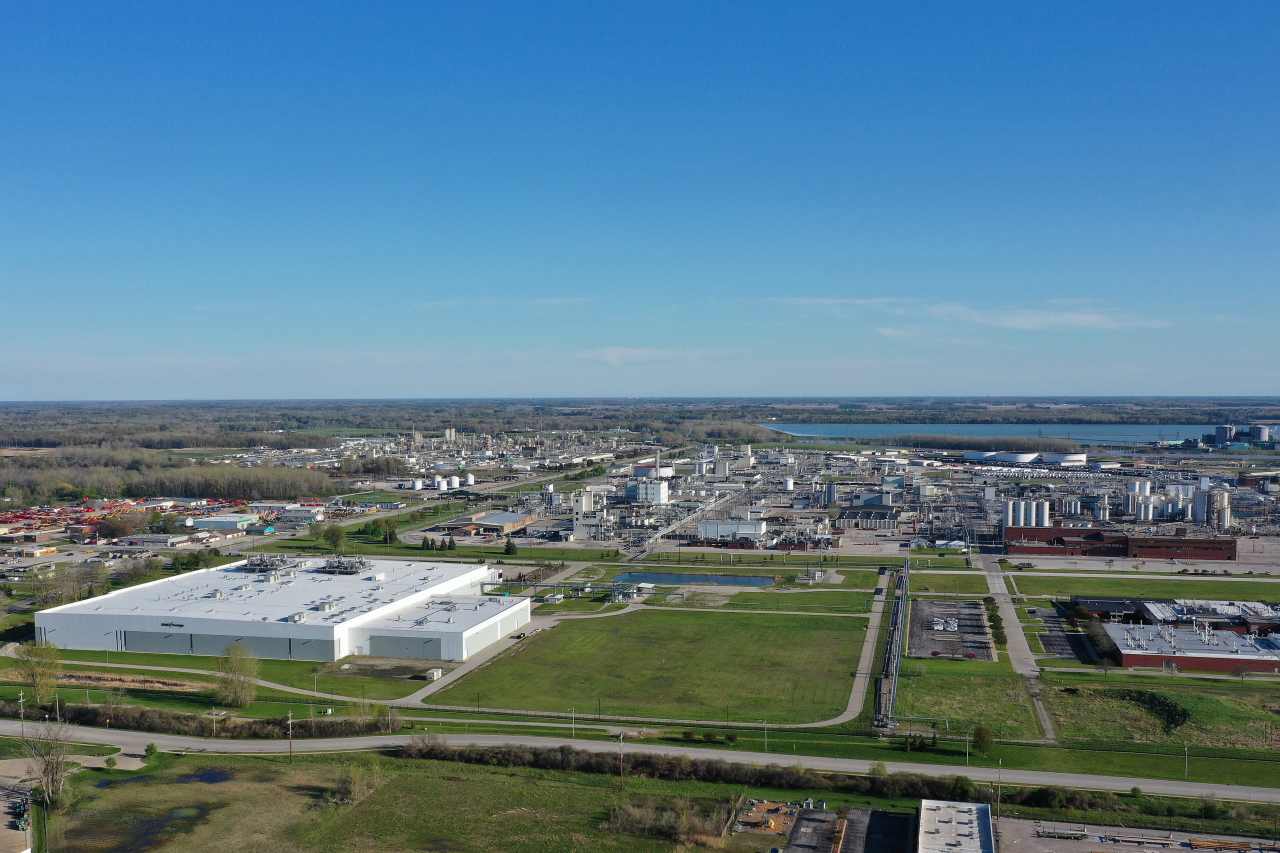
Dow, a manufacturer of commodity chemicals, offers shares with an impressive dividend yield of 10.1%. Such a high yield often indicates investor concerns about some issues. In comparison, the typical stock within the S&P 500 has an average dividend yield around 2.3%.
Wall Street also has its worries.
On Monday, John McNulty, an analyst at BMO, downgraded Dow’s stock from Hold toSell. He adjusted his price target downward from$29to$22.He observes that business conditions remain challenging for the firm with declining pricing and reduced sales volumes.Also, he doesn't foresee significant improvement during the latter part of the year.“Given the persistent low earning projections without signs of recovery, there seems to bean increased possibility[Dow could reduce their].” dividend ,” wrote McNulty.
The Dow stock dropped 2.1% during premarket trading to $27.18, whereas S&P 500 and Dow Jones Industrial Average futures fell by 0.2% and 0.3%, respectively.
His downgrade follows Frank Mitsch Let’s move to Fermium Research on Friday. He upgraded his rating to Hold from Buy and adjusted the price target down to $30 from $35.
Although he feels somewhat improved regarding the dividend, it isn’t significant. According to Mitsch, cost reduction measures along with legal resolutions have "stabilized approximately $2 billion in dividend payments for both this year and next." He noted that Dow's dedication to maintaining the dividend was crucial to his recommendation for buying the stock. However, "we're noticing changes in how conversations around dividends are framed," due primarily to unexpectedly poor performance outcomes and uncertainty over when this cyclical downturn will end.
It is anticipated that Dow will produce approximately $1.2 billion in operational profits for the year 2025, which marks a decrease from the high point of $9.5 billion observed in 2021. Profits have been falling annually since then, and financial experts on Wall Street foresee an uptick to around $2.1 billion in 2026. Currently, however, some analysts doubt whether this recovery will materialize as projected.
Dow's free cash flow has been sufficient to cover the dividend each year in recent years, with the exception of 2024. However, based on Wall Street projections, it is not anticipated that this will be enough to support the dividend payments in 2025 or even in 2024.
That could require a reduction. However, it isn’t absolutely necessary. For instance, Dow competitor LyondellBasell Industries did something similar. raised Its dividend yield is now at 9.3%. While Lyondell isn’t anticipated to cover its dividend in 2025, similar to Dow, financial analysts expect an increase in earnings for 2026.
Lyondell's financial position seems slightly stronger compared to Dow's. Projections indicate that Lyondell’s net debt to EBITDA ratio will be around twice as much by 2027, based on data from FactSet. For Dow, this figure stands at approximately 2.5 times. (Given the cyclicality of chemical industries, evaluating an average earning period rather than focusing solely on less favorable years provides more insightful analysis.)
These ratios may not be cause for alarm, yet they rely on progress that analysts on Wall Street doubt will materialize, which makes the dividend worth monitoring for those invested in the Dow.
In total, 17% of the analysts who cover Dow stock have issued 'Buy' ratings. average The purchase rating ratio for stocks within the S&P 500 stands at approximately 55%. On average, analysts provide such ratings. price target For the Dow stock, the price is around $33.
Regarding Lyondell, one out of every four analysts who cover the stock recommend buying it. The mean price objective set by these analysts stands at roughly $64.
The share price of Lyondell increased by 0.5%, reaching $58.65 in pre-market trading.
At the start of Monday’s trading session, Lyondell’s stock price was down 40% compared to the previous year. Meanwhile, Dow’s share value had dropped 49%.
Send your letter to Al Root allen.root@dowjones.com