Mark Zuckerberg, CEO of Meta, has hired three researchers from OpenAI to bolster his company’s work on artificial intelligence. This strategic move aims to guide Meta Platforms through its current AI challenges. The social-media corporation brought aboard Lucas Beyer, Alexander Kolesnikov, and Xiaohua Zhai, all of whom previously held positions at OpenAI’s branch in Zurich, as per sources privy to this information. These individuals established OpenAI’s location in Zurich towards the end of last year. Prior to their time at OpenAI, they collaborated closely within Google DeepMind, which is the organization’s artificial intelligence division. A representative from OpenAI verified that the three scientists have departed from the organization. Zuckerberg has been on an intense recruiting drive To correct the company’s AI initiatives following the underwhelming reception of its most recent model, he has sometimes proposed giving researchers up to $100 million to become part o...
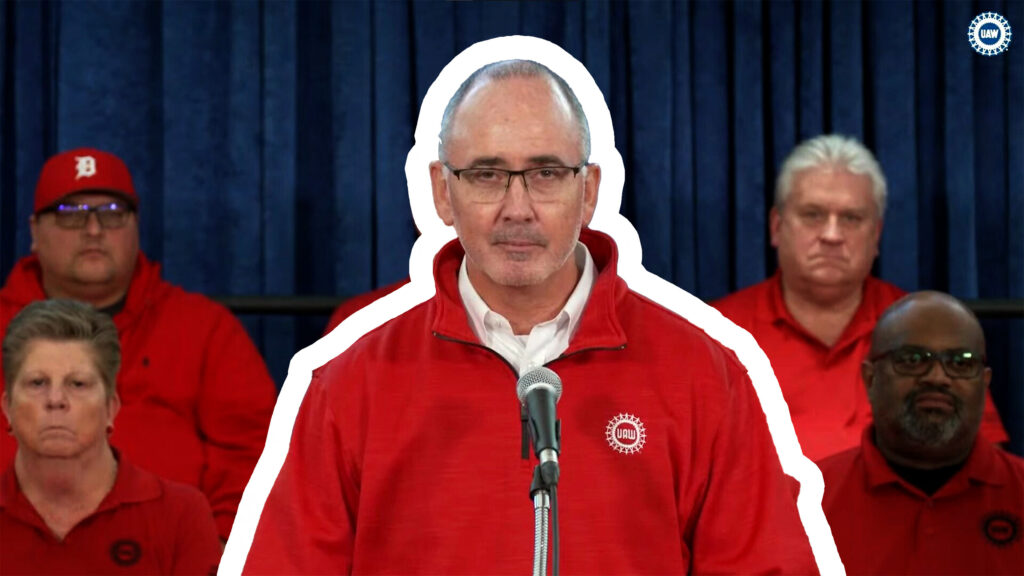
- In 2023, the UAW spent $340 million from the sale of stocks to finance extensive strike actions.
- The union guidelines mandate that 30% of the funds should be allocated to stocks and 53% to fixed-income investments.
- The president of the union along with the vice presidents oversees the union's investment activities.
Large-scale strikes launched by the United Auto Workers (UAW) In 2023, not only did the union incur substantial financial losses but also a major blunder after the strikes led to an estimated loss of more than $80 million in potential investment earnings. This news is likely to cast a shadow over the UAW, considering their history with controversies.
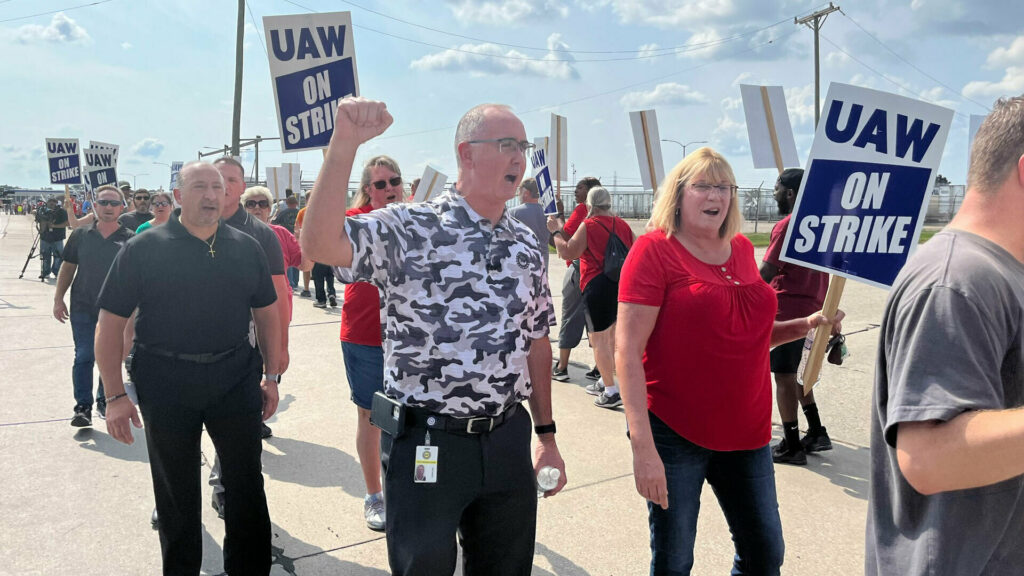
Before the strikes began in the third quarter of 2023, the UAW’s board decided to sell off approximately $340 million worth of stocks to finance the strike payments. Every UAW member who went on a six-week walkout received $500 per week from these funds.
Read: UAW Chief Receives $275K Salary as Union Sinks Deeper into Debt
After the strikes ended and new labor contracts Once they were ratified, the predetermined funds were intended to be reinvested following the union’s guidelines. At present, the UAW maintains roughly 30% of its holdings in equities, 53% in bonds and similar debt instruments, with the remaining 17% allocated to various alternatives. Nonetheless, internal data indicates that hardly any portion of the investment mix was redirected towards stocks during the year following these events.
Rather, the resources were directed into fixed-income, cash, and alternative investments up until September 2024. As reported, Reuters The union performed an assessment and discovered potential earnings of up to $80 million if the resources were allocated correctly. The staff apparently reached this conclusion by contrasting the actual performance of their portfolio with returns achievable via standard investment strategies, such as maintaining a 30% share aligned with the Russell 3000 Index.
Unrealized Gains
The inquiry started soon afterward UAW president Shawn Fain asked why the portfolio’s returns were lower than he could get in a cash bank account.
A federal observer is currently looking into why the union failed to appropriately reinvest the money. This observer was assigned following the UAW’s agreement to settle with the authorities. US The Department of Justice to address a corruption scandal.
The lawyer representing UAW Secretary-Treasurer Margaret Mock stated that the obligation for managing the union's investments lies with the president, three vice presidents, and the secretary-treasurer themselves.