Mark Zuckerberg, CEO of Meta, has hired three researchers from OpenAI to bolster his company’s work on artificial intelligence. This strategic move aims to guide Meta Platforms through its current AI challenges. The social-media corporation brought aboard Lucas Beyer, Alexander Kolesnikov, and Xiaohua Zhai, all of whom previously held positions at OpenAI’s branch in Zurich, as per sources privy to this information. These individuals established OpenAI’s location in Zurich towards the end of last year. Prior to their time at OpenAI, they collaborated closely within Google DeepMind, which is the organization’s artificial intelligence division. A representative from OpenAI verified that the three scientists have departed from the organization. Zuckerberg has been on an intense recruiting drive To correct the company’s AI initiatives following the underwhelming reception of its most recent model, he has sometimes proposed giving researchers up to $100 million to become part o...
Wall Street is closely monitoring rising tensions in the Middle East following President Trump's confirmation that the U.S. conducted an unexpected attack on Iran’s nuclear facilities late Saturday. marking the country’s official entry into the two-week-old conflict.
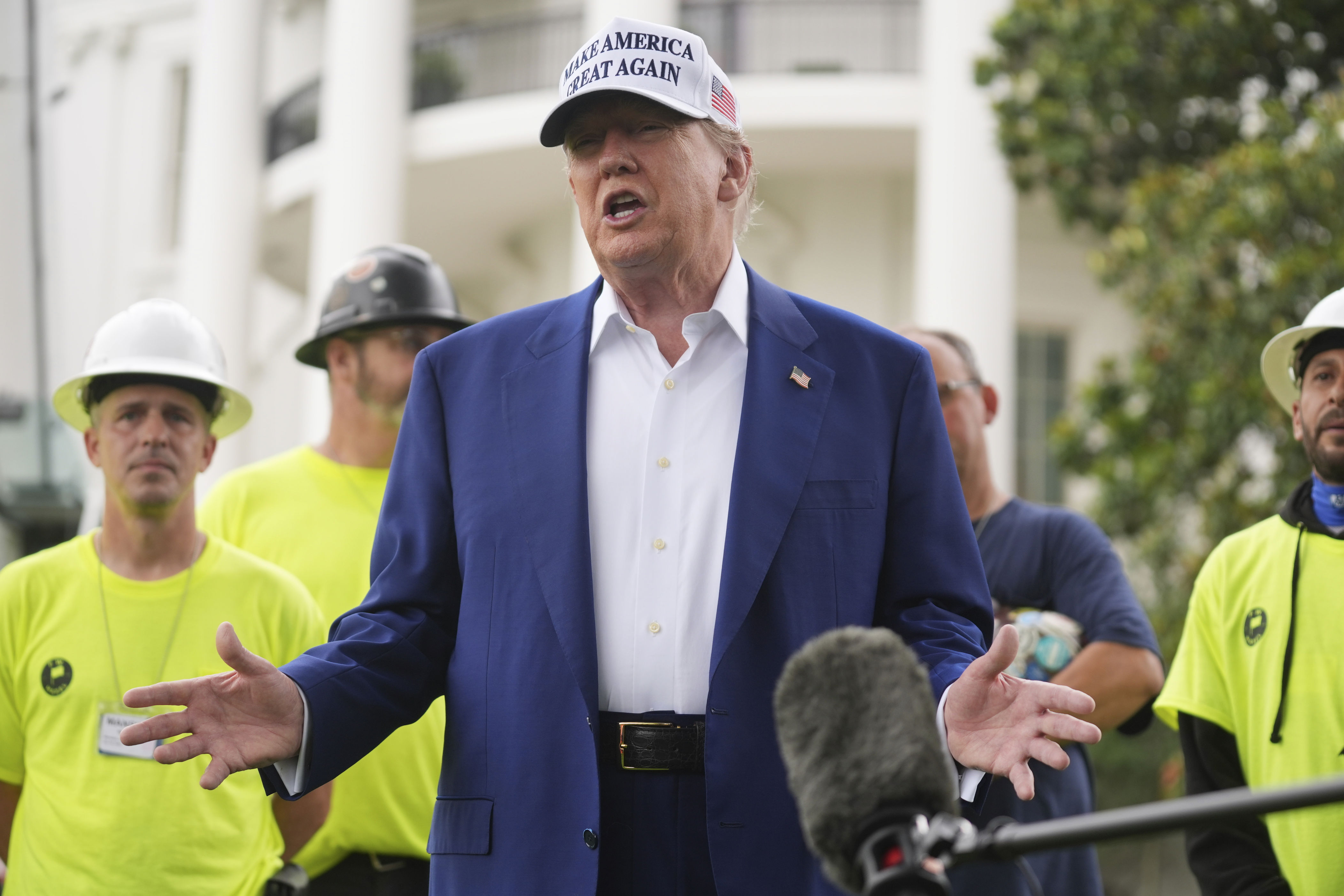
The attacks were a remarkable military achievement," Trump stated during a White House address on Saturday night. "All of Iran’s major nuclear enrichment sites have been entirely destroyed.
The president, who labeled Iran as the "bullied nation of the Middle East," stated that the country "needs to establish peace." He continued, "Should this not happen, upcoming assaults will likely be much more severe and simpler to execute."
Markets have held mostly steady in the aftermath of the escalation. US stocks opened modestly lower on Monday with declines led by the tech-heavy Nasdaq Composite ( ^IXIC ) which dipped approximately 0.4%. The Dow Jones Industrial Average ( ^DJI ) lose fewer than 100 points.
Additionally, bitcoin ( BTC-USD ) prices, frequently seen as an indicator of risk sentiment, clung closely to the horizontal line, trading near $101,000 per coin. WTI crude ( CL=F ) and Brent ( BZ=F )futures initially surged at the start of Sunday’s trading session but later trimmed their gains to hover around $74 and $77 per barrel soon after the market opened.
Until now, most strategists have said markets largely dismissed the risk of a prolonged conflict, with investors still weighing the potential for unintended consequences following US intervention.
Nicholas Colas, who cofounded DataTrek Research, stated in a research memo on Monday that the market is expected to downplay pessimistic projections and might even continue its upward trend regardless of ongoing negative news reports.
He mentioned that one often overlooked factor making this week's expected market volatility particularly difficult for investors is the mismatch between people's natural inclination towards the present and the financial markets' tendency to look ahead.
But with direct US military engagement now underway, markets may be forced to reprice risk, especially if oil prices continue to rise, threatening to reverse recent disinflation trends and further strain consumers already grappling with elevated costs.
Lori Calvasina, who leads US equity strategy research at RBC Capital Markets, stated in a client note sent Sunday night, “We have consistently held the view that an extended and widespread conflict would present greater difficulties for U.S. equities.” She further noted, “The current uptick in tensions arrives at a delicate juncture for U.S. stocks; although we consider the S&P 500 to be reasonably priced (possibly slightly overpriced) based on fundamentals, there’s still potential upside driven by investor sentiment.”
The analyst mentioned her top three worries as follows: firstly, the danger posed by increasing national security uncertainties potentially dragging down stock values; secondly, the chance that fresh geopolitical strains might halt the improvement in mood that started following the low points of early April tariffs; and lastly, the likelihood that the prospect of further economic challenges could undermine current market conditions. for an increase in oil prices , potentially stoking worries about inflation.
Citi analyst Stuart Kaiser concurred that significantly elevated oil prices continue to be the pathway through which geopolitical risks can affect stock markets. He pinpointed a crucial level of worry at crude prices exceeding "$80 per barrel."
Kaiser added that options markets are now pricing in a 10% chance that oil surges 20% over the next month, up from just 2.5% two weeks ago, reflecting mounting tail risks as the conflict deepens.
Nevertheless, Neil Sheering, the group chief economist at Oxford Economics, stated on Monday that oil prices would have to rise significantly and remain elevated for a considerable period to genuinely become an inflation risk.
He noted that previous conflicts in the area caused prices to drop rapidly, providing some comfort. However, amid this era of extreme unpredictability, there is reduced assurance that past patterns will recur.
'S tagflationary ' risks
Financial experts on Wall Street have cautioned that an extended confrontation along with the possible shutdown of the Strait of Hormuz might push up oil prices. up to $130 per barrel, causing US inflation to rise back towards 6%. Up until now, this risk appears largely under control, as markets are closely watching the situation without incorporating a doomsday outcome into their assessments.
However, the issue at hand is: There has been a significant increase in energy costs. would likely reverse The ongoing decrease in inflation for gasoline costs.
According to The most recent May Consumer Price Index release In the last year, fuel prices at the gas station have dropped by 12%. According to the latest data from the government’s energy index, there was a 1% decrease compared to the previous month. Economists caution that should these trends shift, we might see a resurgence in inflation. This potential uptick could push back anticipated reductions in interest rates until early 2026, as the Federal Reserve aims to manage both stable pricing and high levels of employment simultaneously.
While the Fed typically focuses on core inflation, which excludes volatile energy prices, higher energy costs could ripple through the supply chain and raise prices across a wide range of goods and services.
You're considering a possibly even worse situation. 'stagflationary' scenario From this perspective, Bank of America’s chief US economist, Stephen Juneau, explained to Yahoo Finance on Monday, “This situation needs to continue. Currently, oil prices remain notably lower than they were a year ago, so we will have to wait and observe how events progress henceforth. In my view, it's premature to make definitive statements.”

Allie Canal She is a Senior Reporter at Yahoo Finance. You can follow her on Twitter. @allie_canal , LinkedIn, And send an email to her at alexandra.canal@appstoreofficial.id.
Tap here for the most recent updates on the stock market along with comprehensive analyses of the factors influencing stock prices.
Explore the most recent financial and business updates provided by Yahoo Finance.